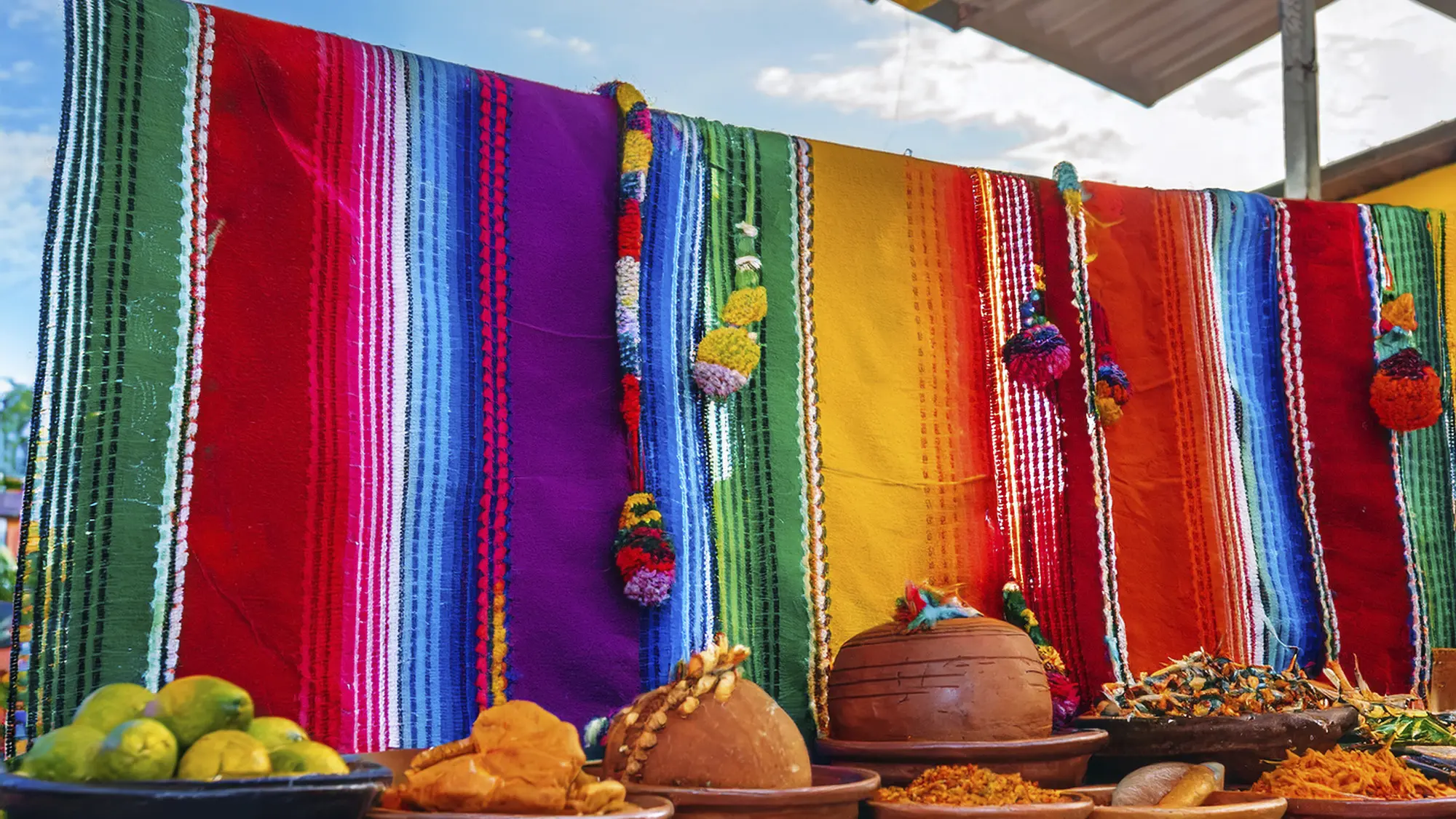
In Mexico, color is much more than decoration—it is a way of telling stories.
From vibrant markets overflowing with fresh produce to handwoven textiles and colorful celebrations, color is woven into everyday life. It reflects history, identity, creativity, and the traditions that have shaped the country for centuries.
But which colors best represent Mexico, and why have they become such powerful symbols of its cultural identity?
Beyond the green, white, and red of the national flag, Mexico has given the world a remarkable palette inspired by its Indigenous civilizations, extraordinary biodiversity, artistic traditions, and cultural heritage. Each of these colors carries a story that continues to live on today.
Mexico’s Most Iconic Colors
Mexican Pink
Mexican Pink is perhaps the country’s most recognizable signature color.
Although it was popularized internationally during the 20th century by designer Ramón Valdiosera, this vibrant shade had long been part of Mexico’s visual identity, appearing in traditional textiles, flowers, papel picado, handicrafts, and local celebrations.
Today, it represents creativity, joy, and the vibrant spirit of Mexico.
Mayan Blue
Long before modern synthetic pigments existed, the Maya developed one of the most durable colors in history.
Known as Mayan Blue, this extraordinary pigment was used in murals, sculptures, and sacred ceremonies. Its remarkable resistance to time continues to fascinate archaeologists, historians, and scientists around the world.
It symbolizes knowledge, the sky, and the profound spiritual connection of the ancient Maya civilization.
Cochineal Red
For centuries, Cochineal Red was one of the most valuable exports of colonial Mexico.
Produced from the cochineal insect, this natural pigment became highly prized by European artists, royal courts, and textile makers, making New Spain one of the world’s leading suppliers of the richest red dye known at the time.
Today, it remains a symbol of Mexico’s natural wealth, innovation, and historical importance in global trade.
Marigold Yellow (Cempasúchil)
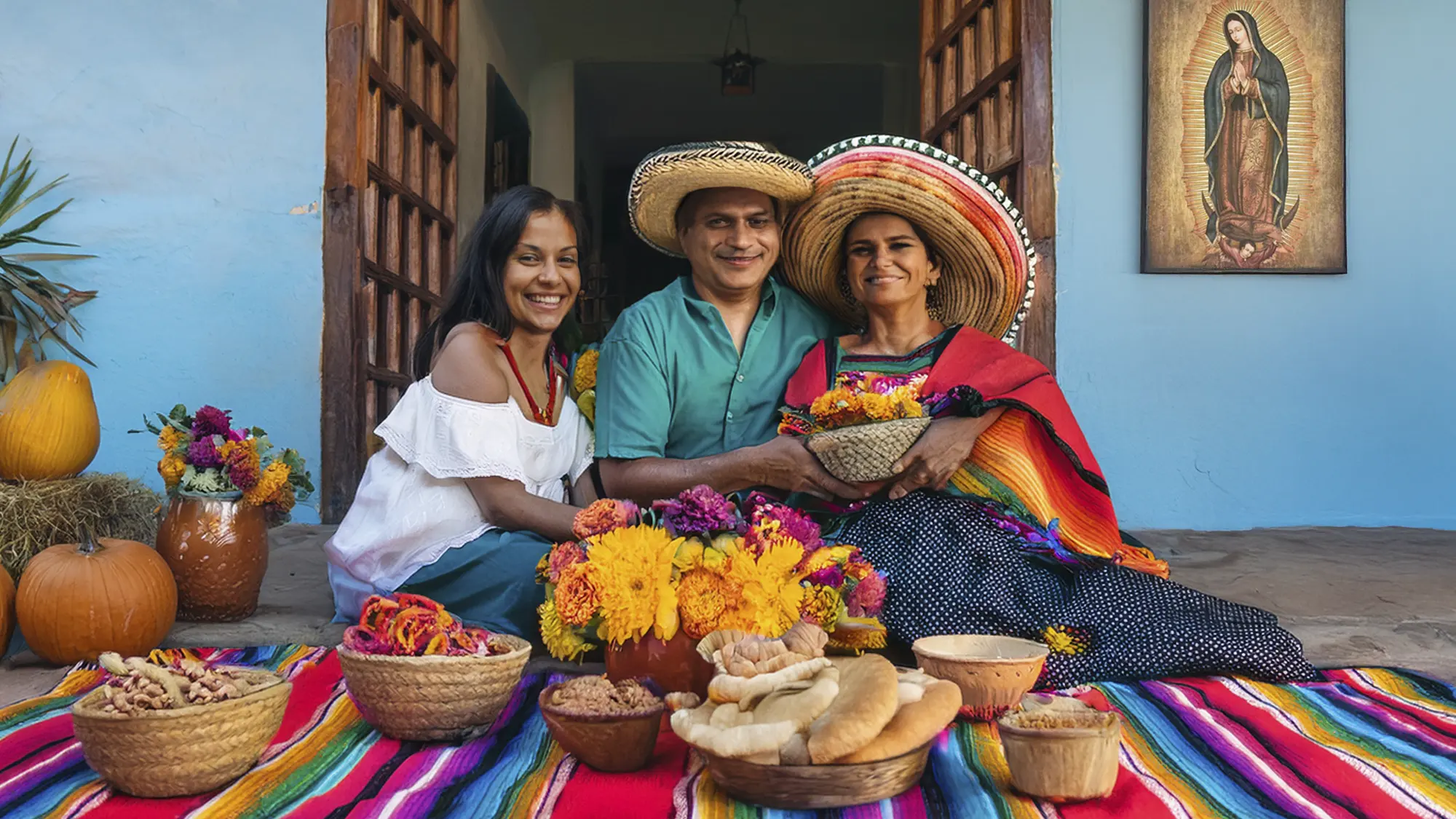
Every year, the brilliant yellow-orange of the marigold flower illuminates Day of the Dead celebrations across Mexico.
Known locally as cempasúchil, this flower is believed to guide the souls of loved ones back home with its vibrant color and distinctive fragrance.
Its glowing petals have become one of the most recognizable symbols of one of Mexico’s most cherished traditions, making it almost impossible to imagine a Day of the Dead altar without them.
Jade Green
Since pre-Hispanic times, jade was considered even more valuable than gold.
Its deep green color symbolized life, fertility, renewal, and power. Ancient civilizations used jade to create jewelry, ceremonial masks, and offerings dedicated to rulers and deities.
Today, Jade Green continues to represent the artistic sophistication and cultural legacy of ancient Mexico.
A Different Color Palette in Every Region
Mexico’s colorful identity extends far beyond these iconic shades.
Every region has developed its own unique palette shaped by local traditions, landscapes, materials, and history.
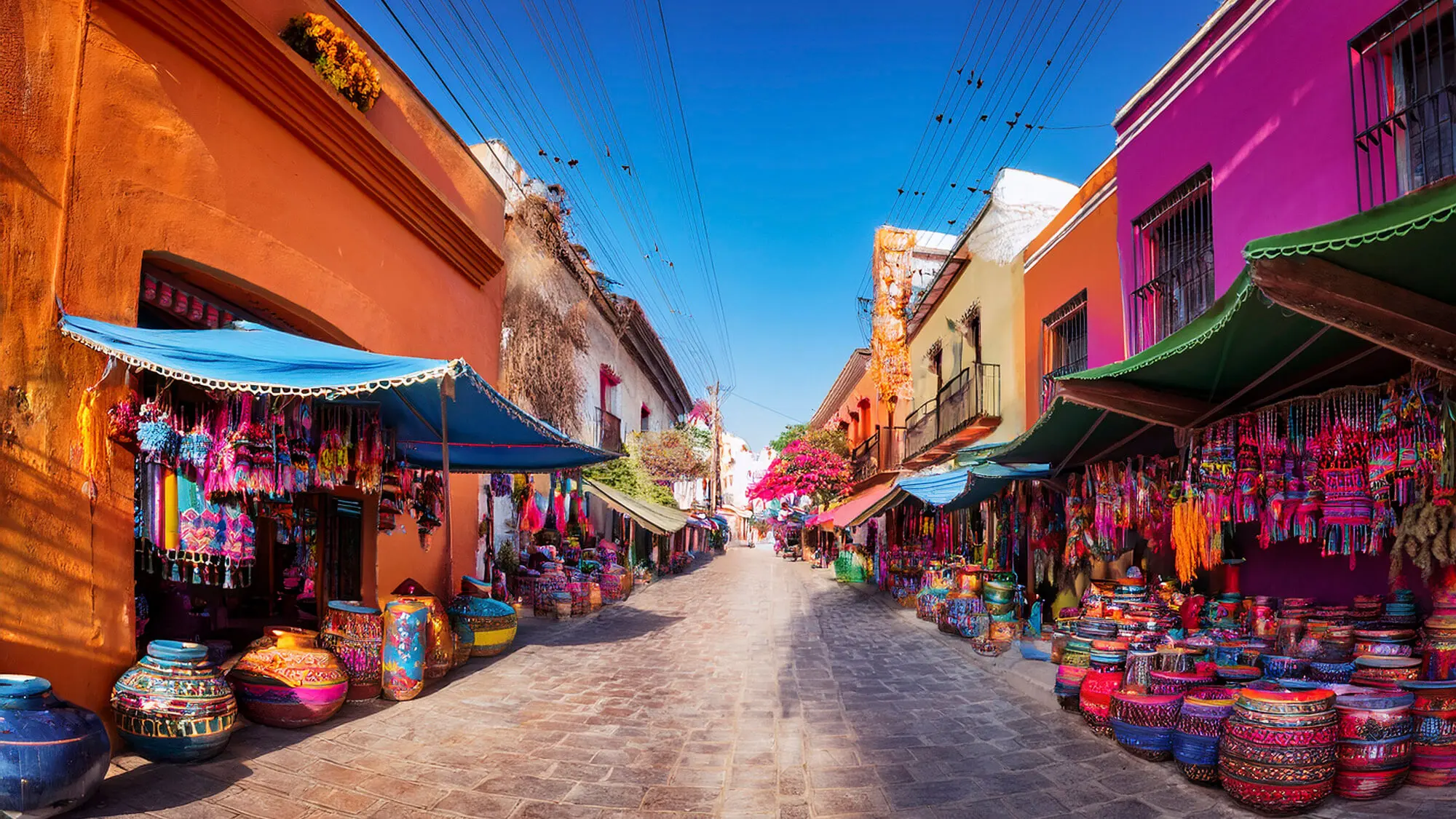
The textiles of Oaxaca, the embroidery of Chiapas, the colorful streets of Guanajuato, the Talavera ceramics of Puebla, and the charming towns of Yucatán all reveal how color becomes another way of telling stories.
Every region has its own palette.
Every celebration has its own visual language.
Every artisan preserves generations of knowledge through the colors they choose.
Why Is Mexico One of the World’s Most Colorful Countries?
In Mexico, colors are rarely chosen for aesthetic reasons alone.
Every shade carries a meaning connected to nature, beliefs, community identity, and collective memory.
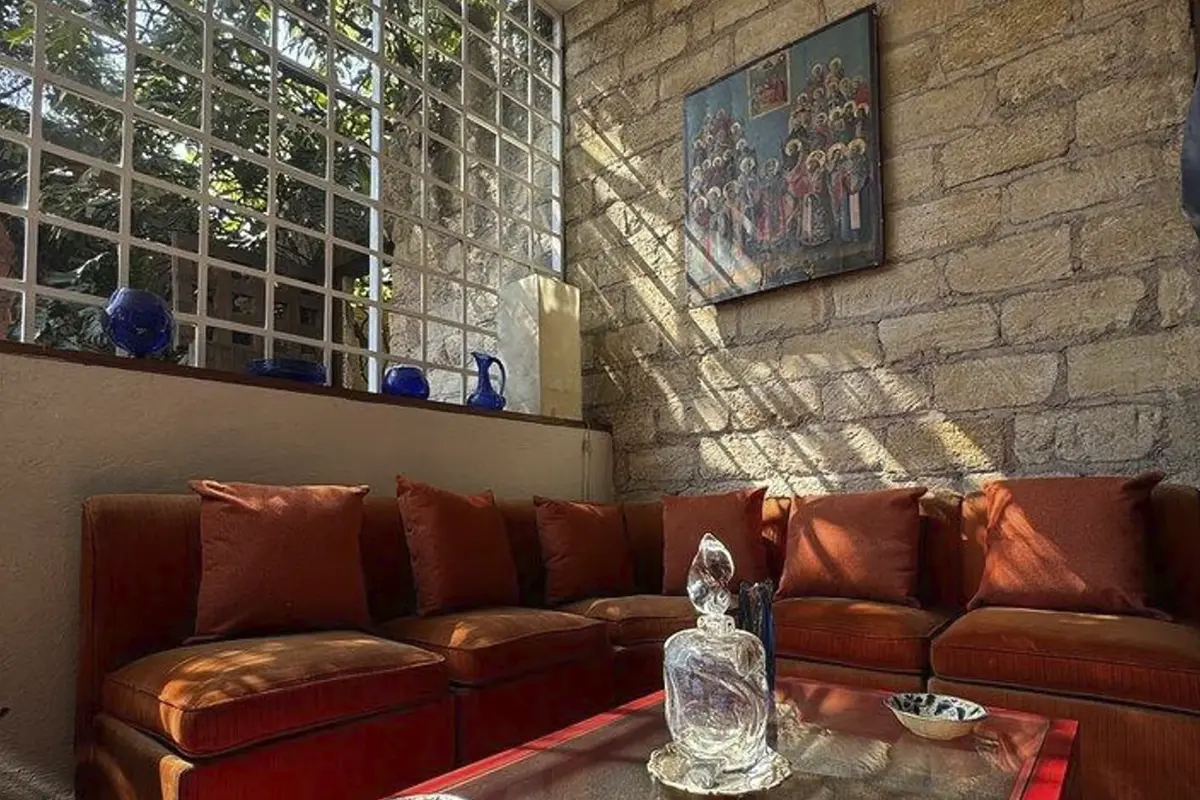
That is why visiting a market, exploring a museum, admiring a mural, or walking through a historic town is also an opportunity to understand color from a completely different perspective.
Here, colors do much more than beautify spaces.
They preserve stories.
Colors That Speak Without Words
In Mexico, colors are not simply seen—they are experienced.
Each one represents centuries of history, creativity, craftsmanship, and tradition that continue to shape everyday life across the country.
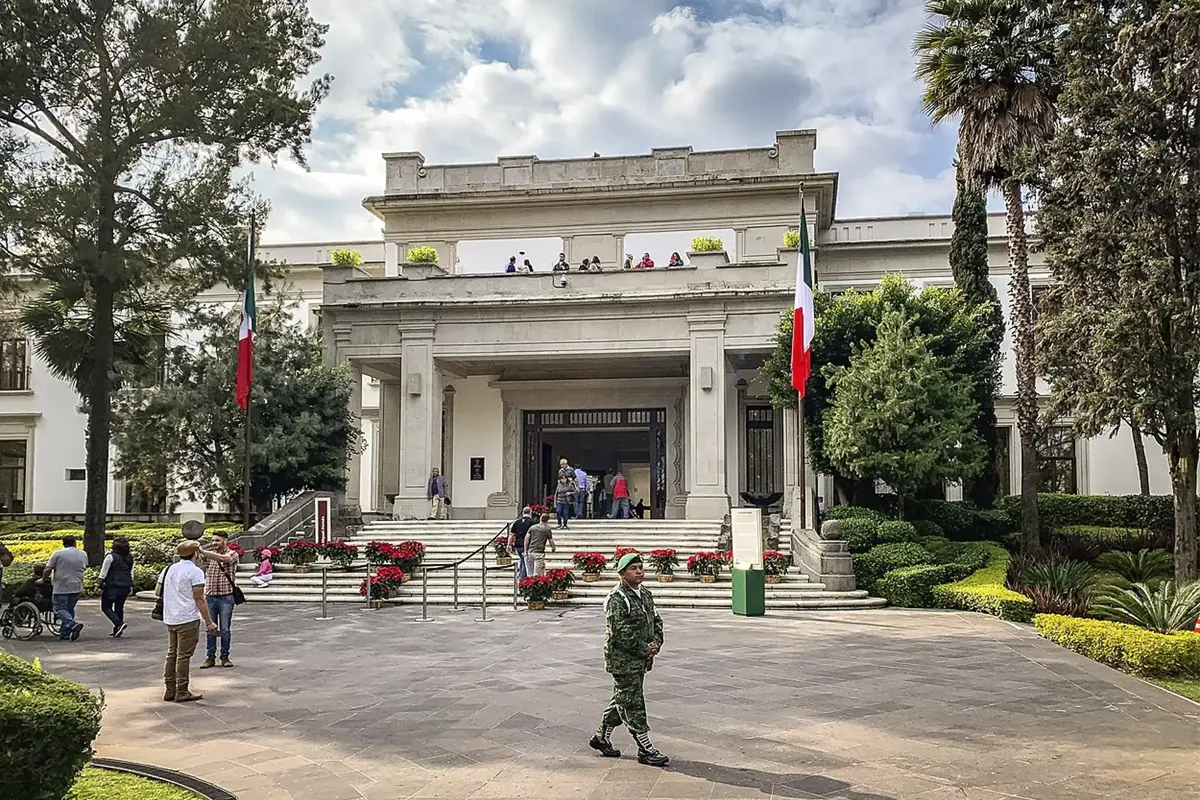
Whether you’re visiting a museum, strolling through a colonial city, exploring an artisan market, or standing before a monumental mural, you’ll soon discover that color is far more than a visual element.
It is one of the most beautiful ways Mexico tells its story—without saying a single word.