It’s not just an ingredient. It’s origin, identity, and memory.
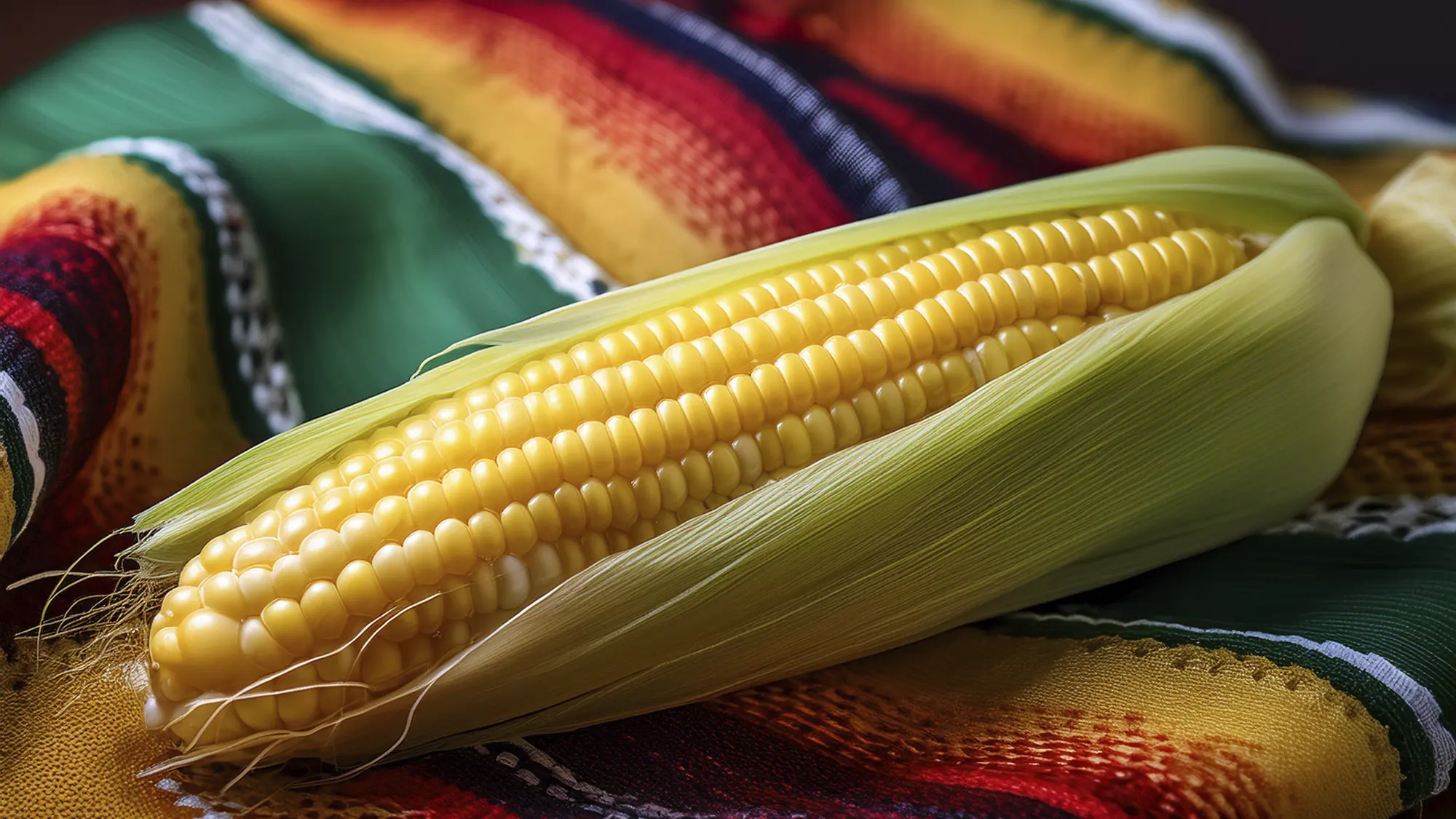
Long before Mexico existed as a country, corn was already here. It was food, sacred symbol, and the foundation of life for Mesoamerican civilizations. Ancient peoples didn’t just cultivate it — they revered it.
In Indigenous worldviews, human beings were created from corn. That’s why, when we say that corn is at the heart of Mexican cuisine… we’re also speaking of the soul of those who cook it.
More than food — it’s a root
Corn is not just eaten. It is transformed.
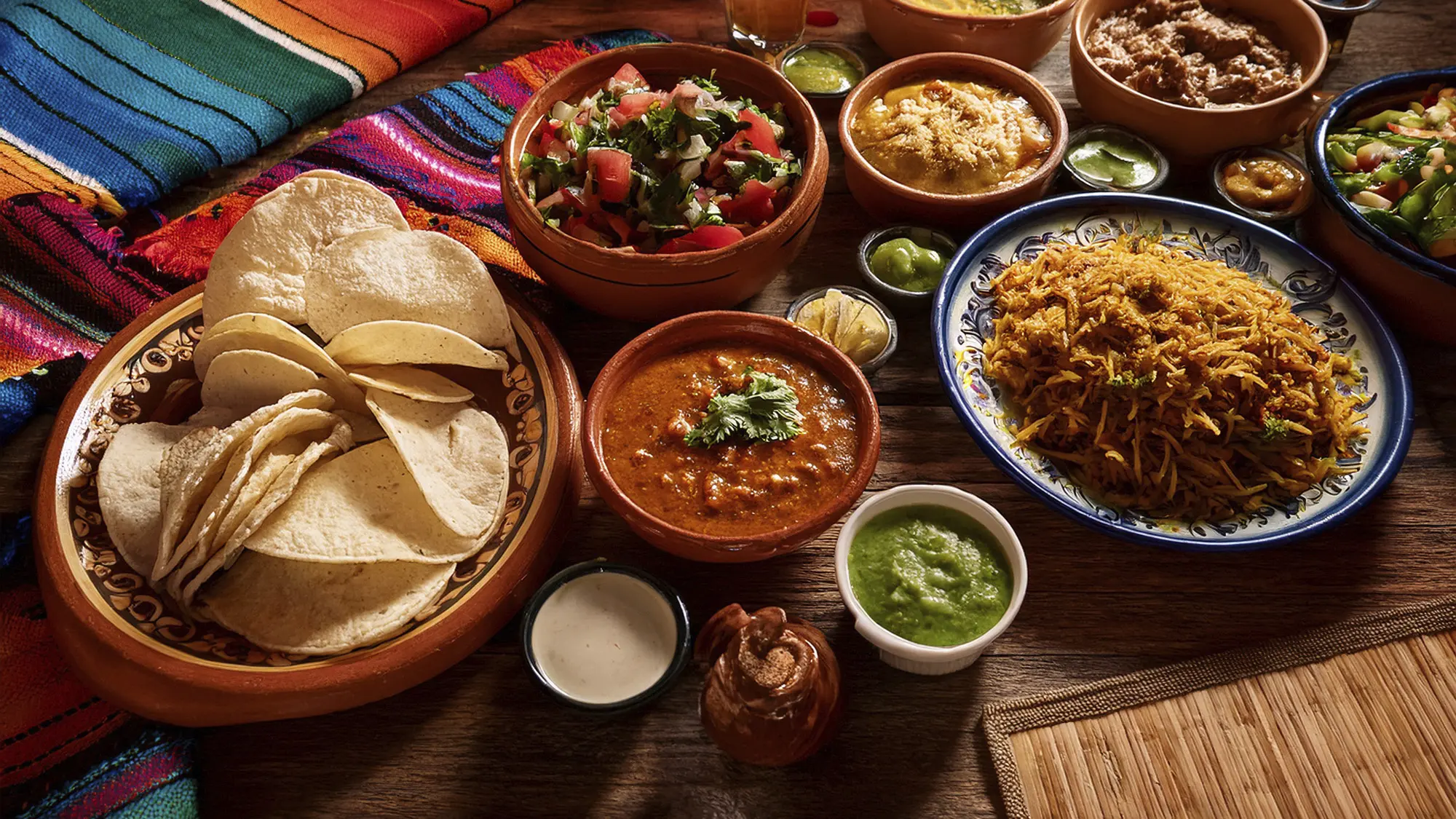
It’s cooked, nixtamalized, ground, kneaded, and turned into tortillas, tamales, atoles, memelas, tlayudas, tetelas, or tlacoyos.
Each shape tells a story.
Each dish is a daily ritual.
In places like Oaxaca, corn remains central. It isn’t bought pre-packaged at the store — it’s boiled with lime, ground on a metate or mill, and turned into living dough, scented with earth and fire.
The comal, its faithful companion
No corn is complete without a comal.
On this clay or metal griddle, tortillas are cooked, tamales warmed, chilies toasted, and aromas awakened.
In many Mexican homes, the comal never cools.
There’s always something cooking on it — as if time itself were simmering alongside the corn.
A cuisine of memory
Cooking with corn doesn’t require advanced techniques, but it does need heart.
It’s learned by watching a grandmother, an aunt, or a neighbor.
It’s kneaded with patience, smelled with eyes closed, and served with pride.
That’s why corn is more than corn.
It’s a symbol.
It’s a mother.
It’s home.